SportsFootball
Football equipment inventory,counted.
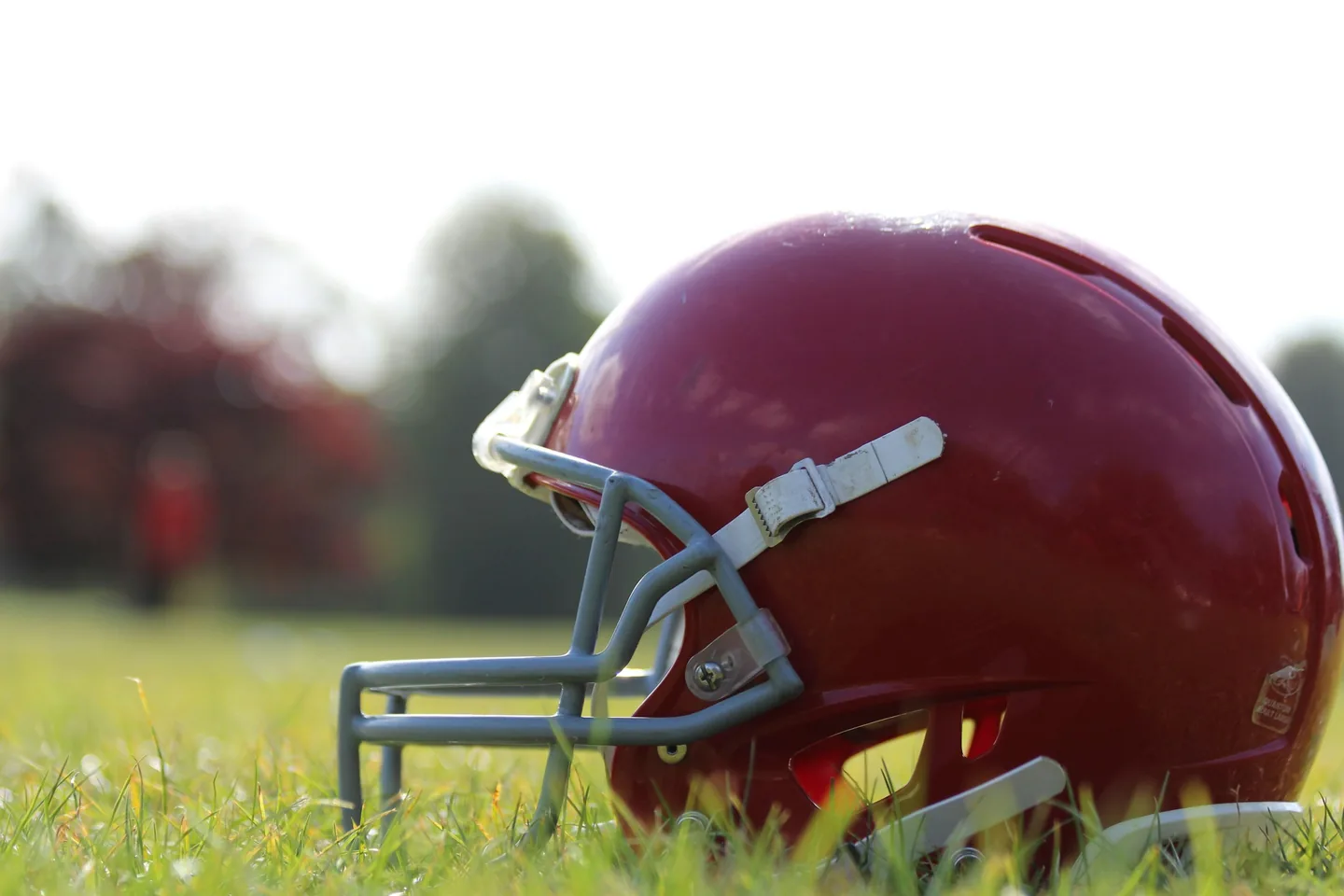
Helmets on a reconditioning cycle, shoulder pads by size, home, away and practice jerseys by number, and a cage full of shields and dummies. Tag it once, hand it out by scan in August, collect it in November, and order from the roster.
Where the count lives today
- Helmet reconditioning datesa binder in the cage
- Shoulder pads by sizea pile sorted on equipment day
- Home, away and practice jerseysthree spreadsheets
- What came back in Novembernobody is sure
- Here: one count, all seasonplayerkit
What a football club counts.
Six kinds of item, and the one detail each needs on record.
Helmets
Manufacture date, last reconditioning, next one due. The due list is a report, not a binder.
Shoulder pads
By size and position. The condition noted at turn-in decides what goes out for reconditioning.
Pants, girdles and pads
Hip, thigh and knee pads by size. This is where next season's size chart starts.
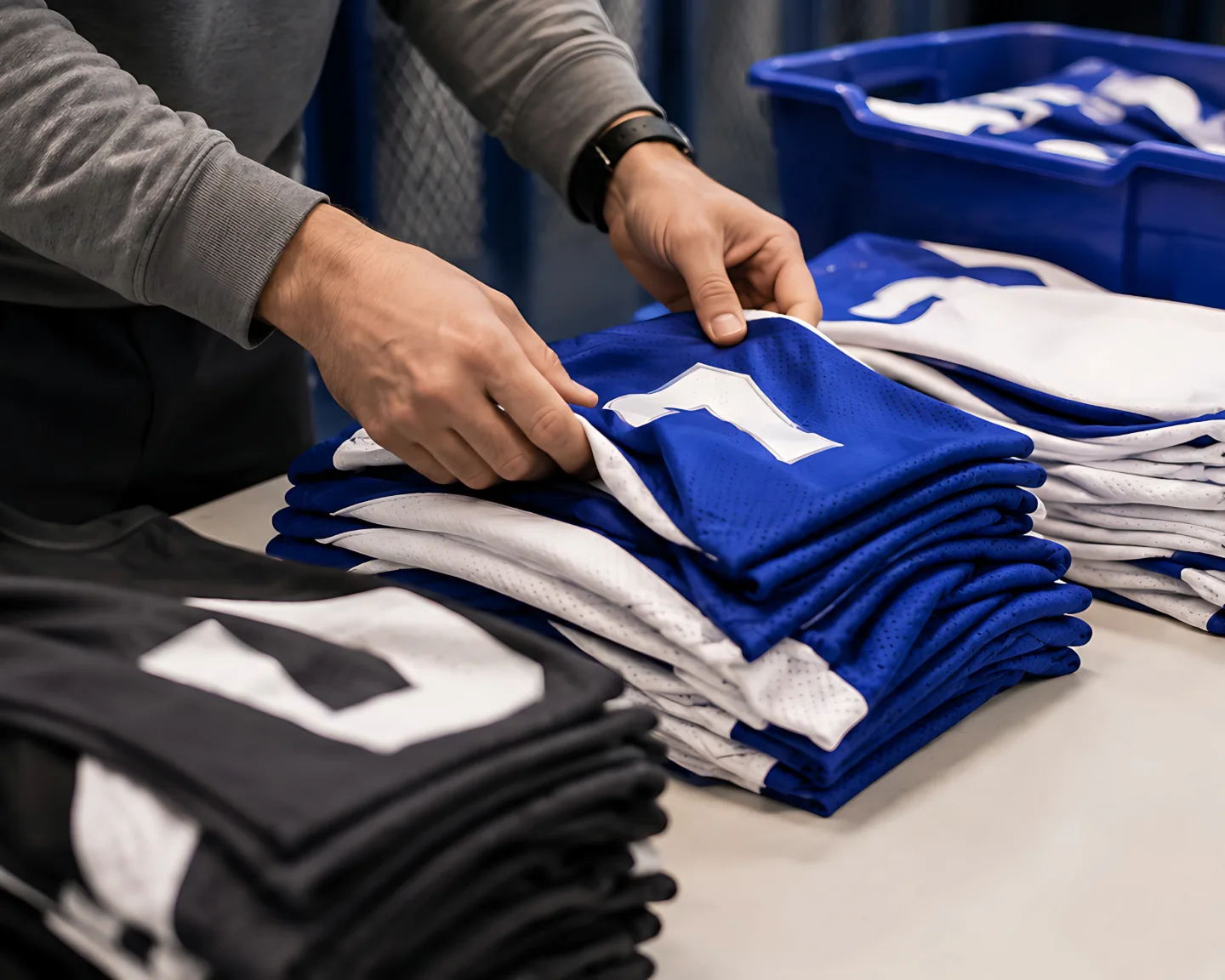
Jerseys
Home, away and practice sets. Each number is assigned to one player per set.
Balls and tees
By age-group size. Counted when the bag goes out and when it comes back.
Shields, dummies, cones, pinnies
Team equipment tagged to the team, not a player. Counted at the start and end of the season.
How to inventory football equipment in five steps.
The same five steps every season, in a football cage.
Anyone with a phone can check helmets and pads in and out.
Put a code on it and scan it in or out. Works in the browser on any device, so the parent volunteering at the cage needs no training and no install.
- A QR tag on every item — helmets, shoulder pads, girdles, jerseys
- Hand-outs by scan — item to player, with the date and time
- Works offline on a field with no signal
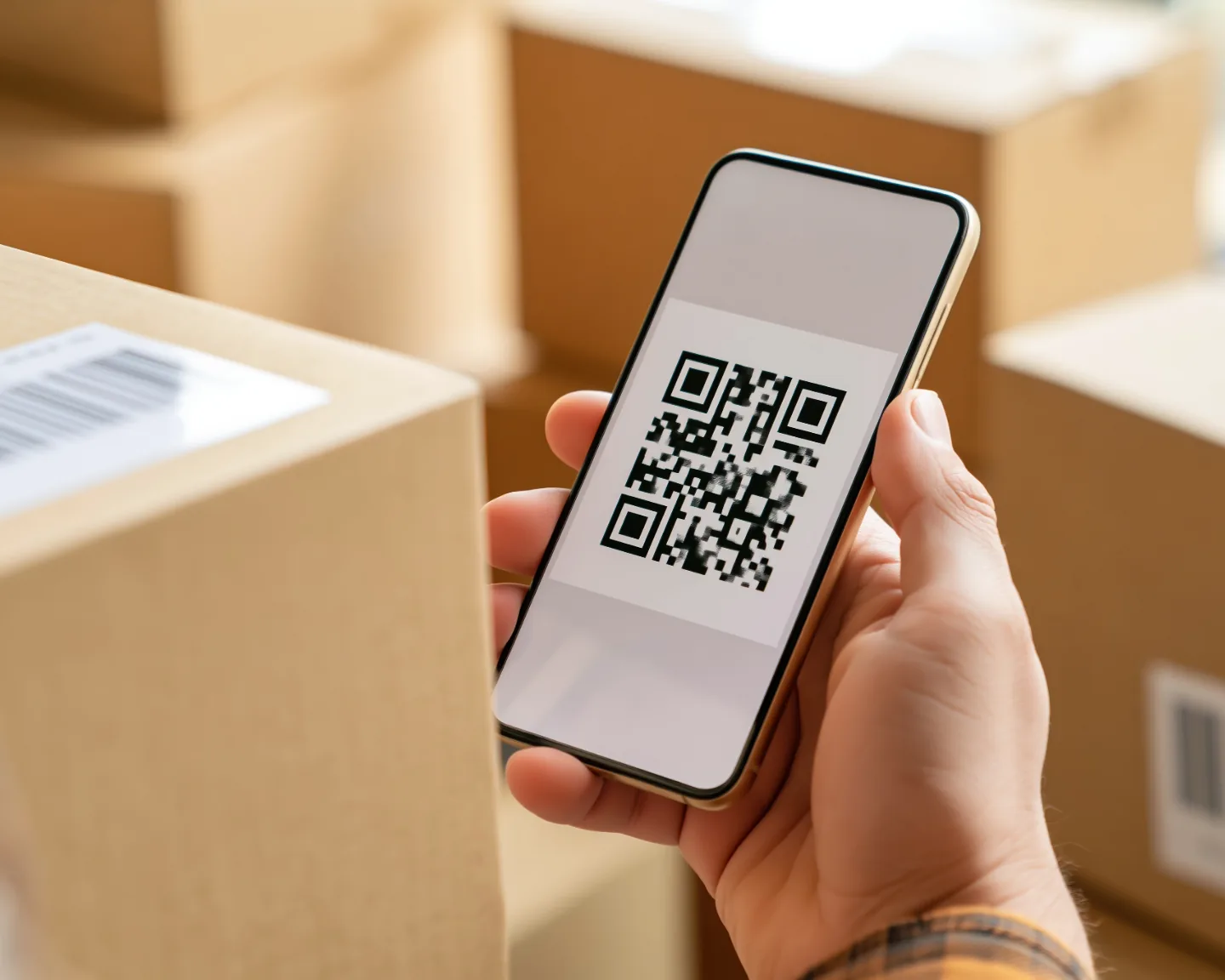
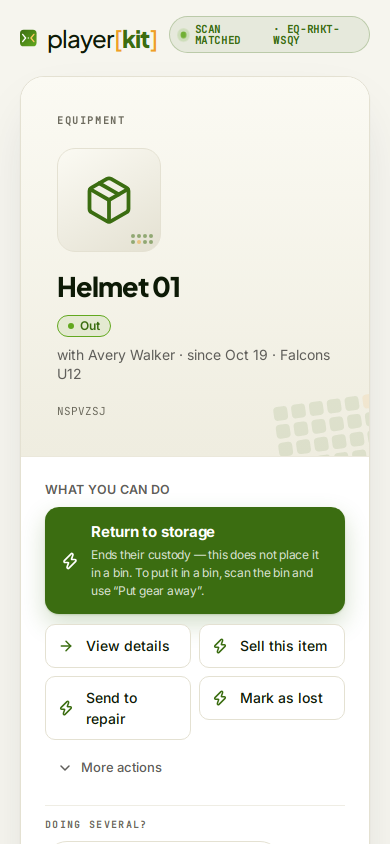
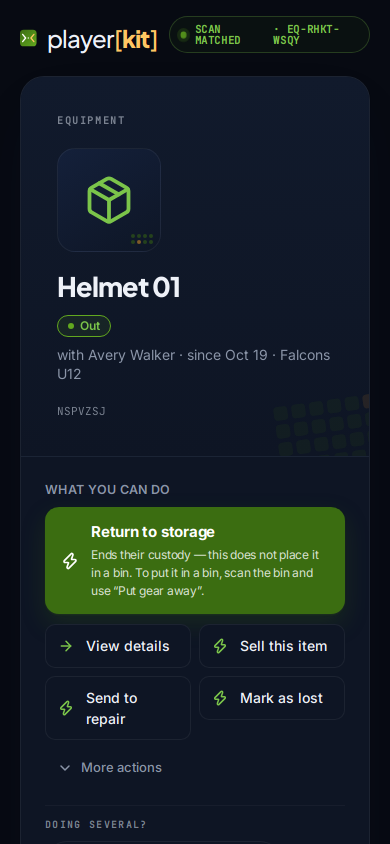
the scanner, in the browser
Next season's order, from this season's roster.
Size charts from the players you actually have. Replacement forecasts from what went missing or wore out. The order is no longer last year's plus a guess.
- Size chart and order sheet from real roster sizes
- Replacement forecasts from what was lost or worn out
- Refundable deposits on helmets and shoulder pads
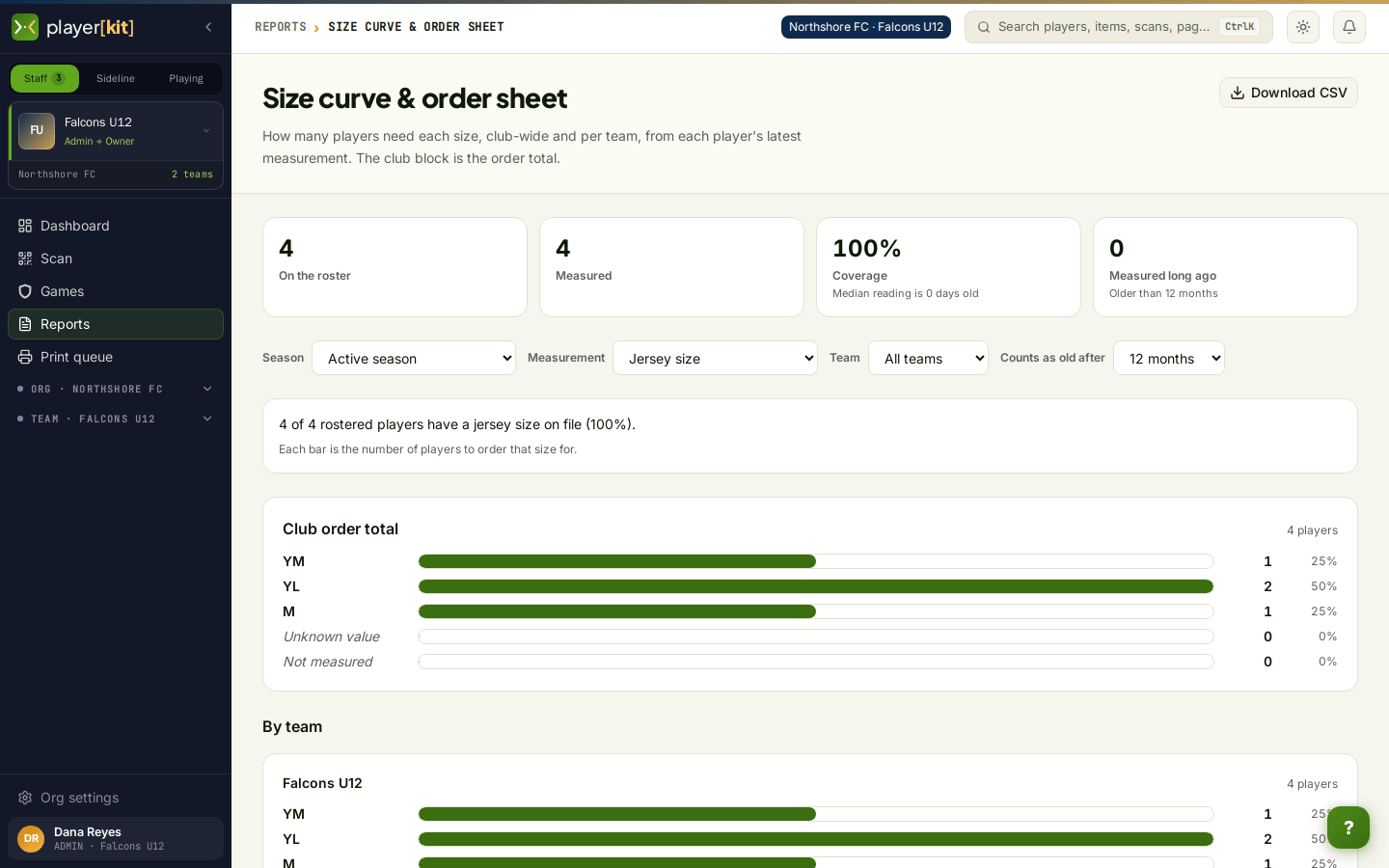
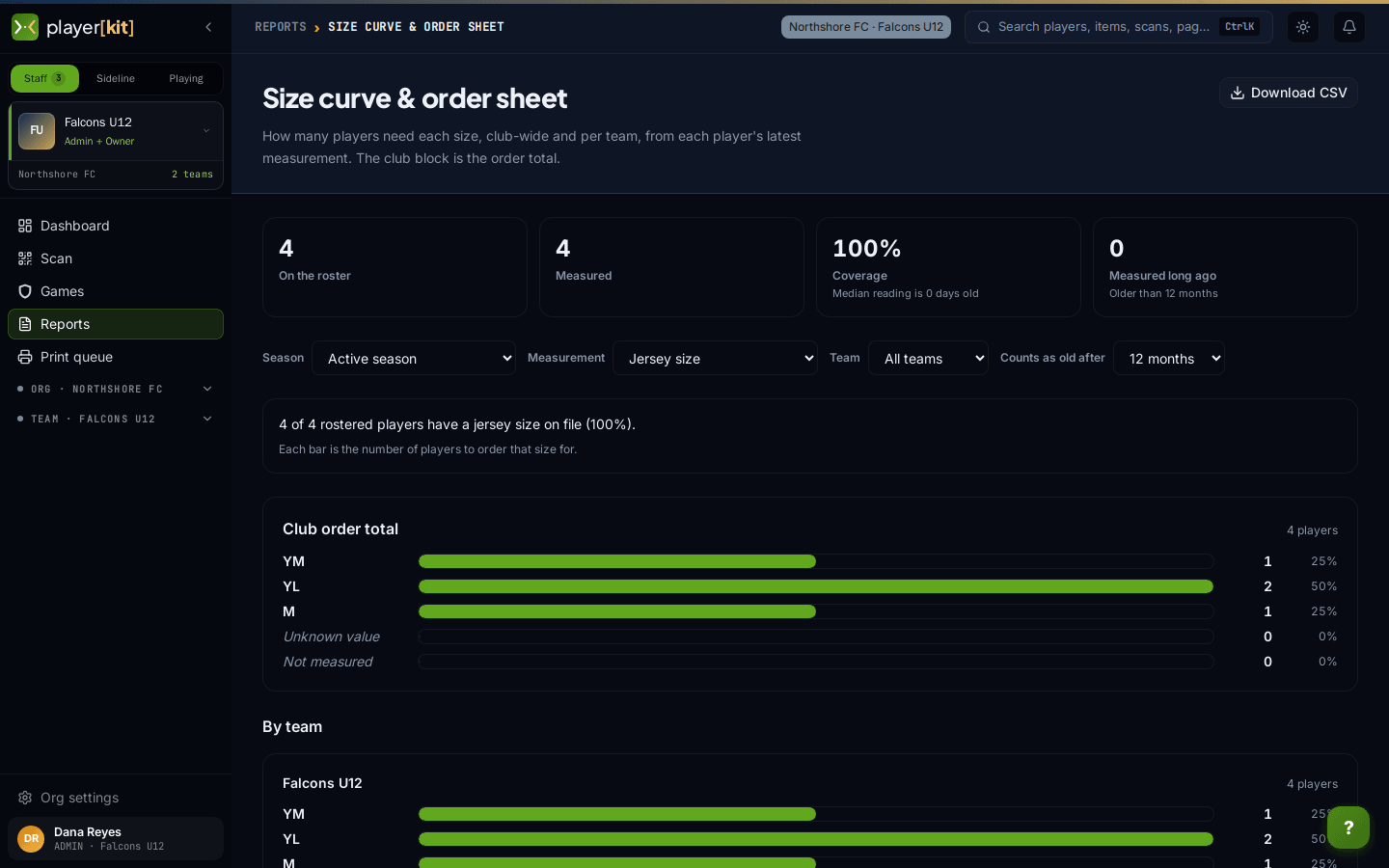
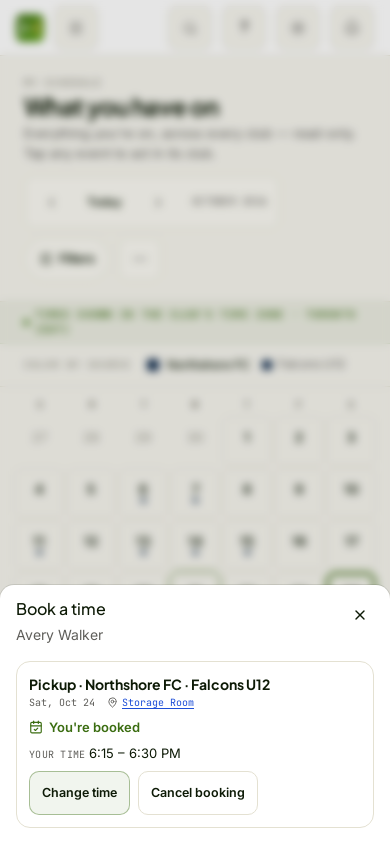
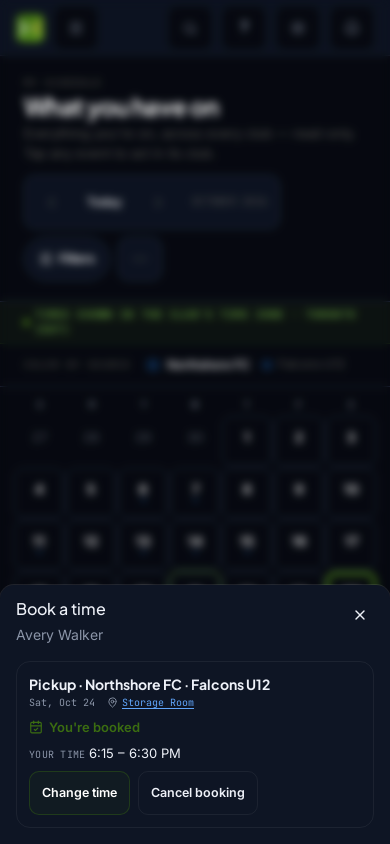
Families book a time slot. Staff get a prep list.
The club opens a window. Each family books a slot from its own calendar, enters the sizes, and gets a confirmation and two reminders. At the table, staff see what the player has out and mark each item returned or kept.
- Booked from the family's calendar — pickup, drop-off or return; families can move or cancel until the cutoff
- A prep list for staff — sizes entered at booking, on screen or printed
- Returned or kept, item by item — at the table, by scan
Your club decides how the gear is covered.
Five ways to get equipment back. One record of who has what. Use a different one per season, per team or per item.
deposit
A refundable deposit
Collected per player per season, by card or in cash. Refunded automatically when the player's last item is checked in. A forfeited deposit goes against the replacement cost.
card on file
A card on file
The parent signs a card authorization up to the value of the gear. If something is not returned, an owner or admin sends a replacement charge. The family can pay it, dispute it, or return the item.
off-season
Keep it over the summer
A family asks to keep an item until a date. Owners approve from a queue. The same deposit or card covers it until it comes back, and the item stays on the player's record.
reminders
Reminders only
Overdue gear sends the family a weekly reminder and puts the player on the club's follow-up list. No money held, nothing charged.
another way
E-transfer, check or cash
E-transfer, Zelle, Venmo, a check or cash. The family taps "I've sent it" and the club records the payment on the account. playerkit's fee applies to card payments of fees only, never to deposits or transfers.
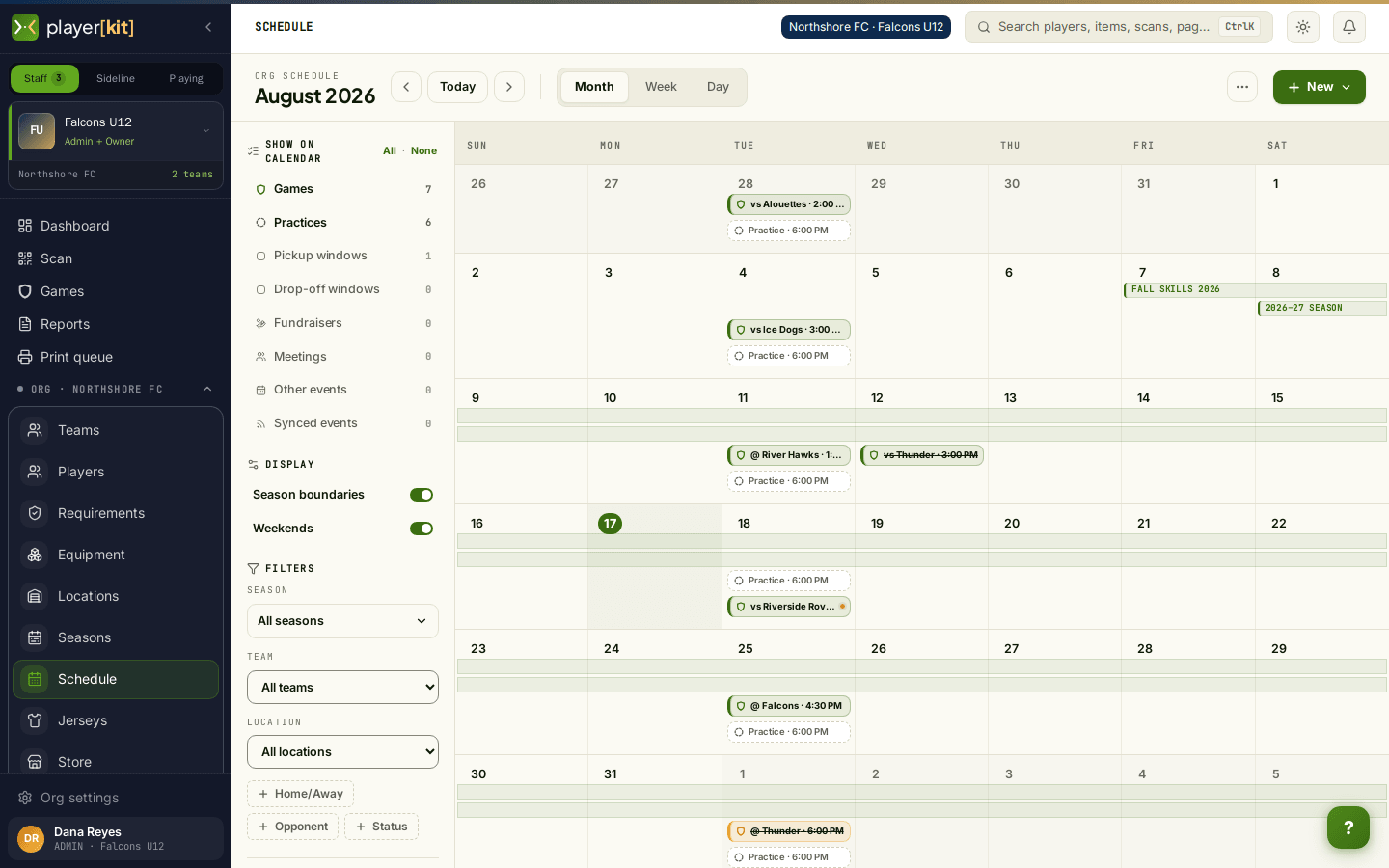
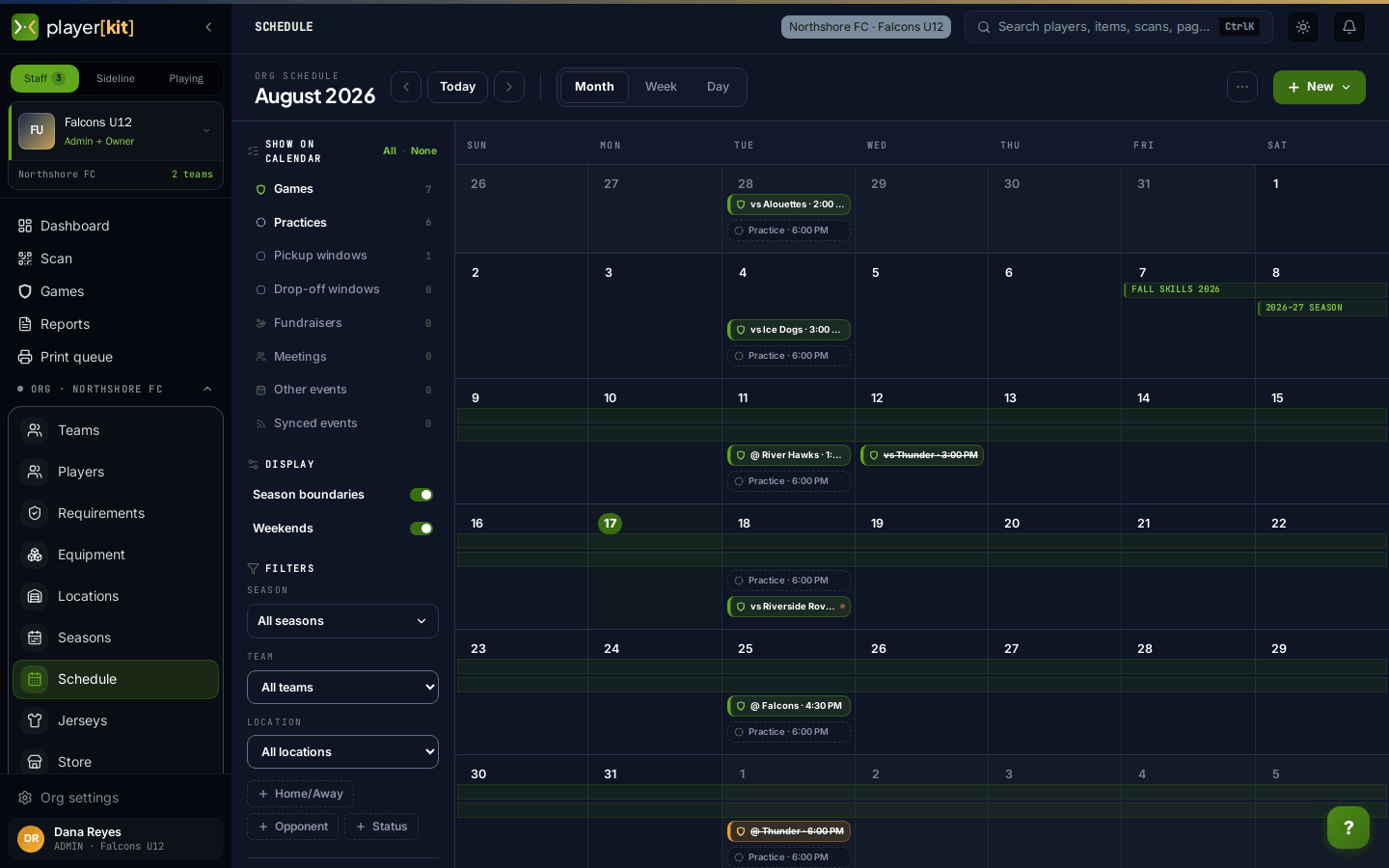
Hand-out night is on the same calendar as the games.
Games, practices and the equipment hand-out all live on one club calendar. Families mark going or not going. The schedule flags a double-booked rink. One subscription link puts it in Google, Apple or Outlook.
- Games, practices and events with going or not going and RSVPs
- Conflict checks on rinks, fields, teams and people
- One calendar subscription per person — league schedules import too
One message. One notification.
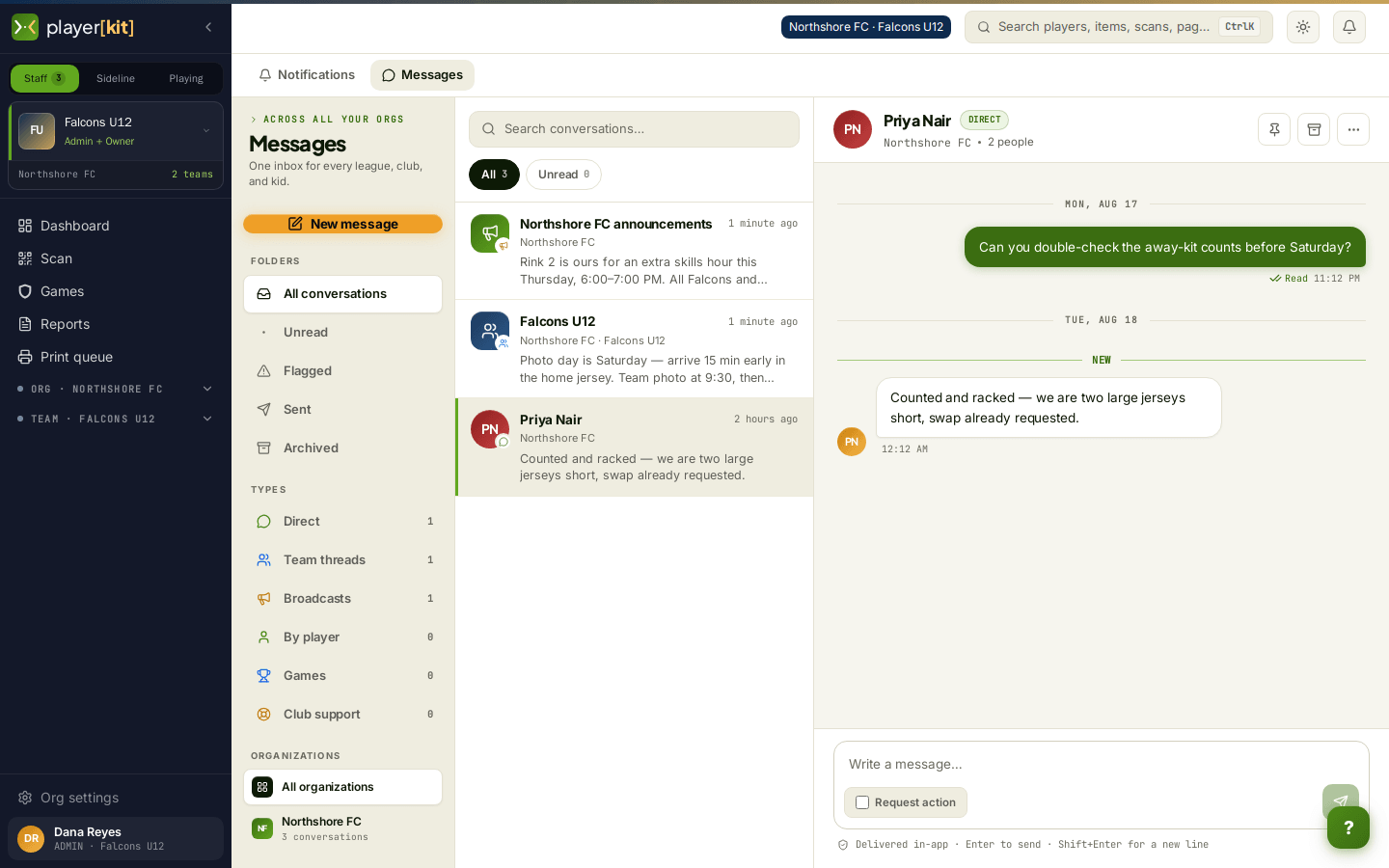
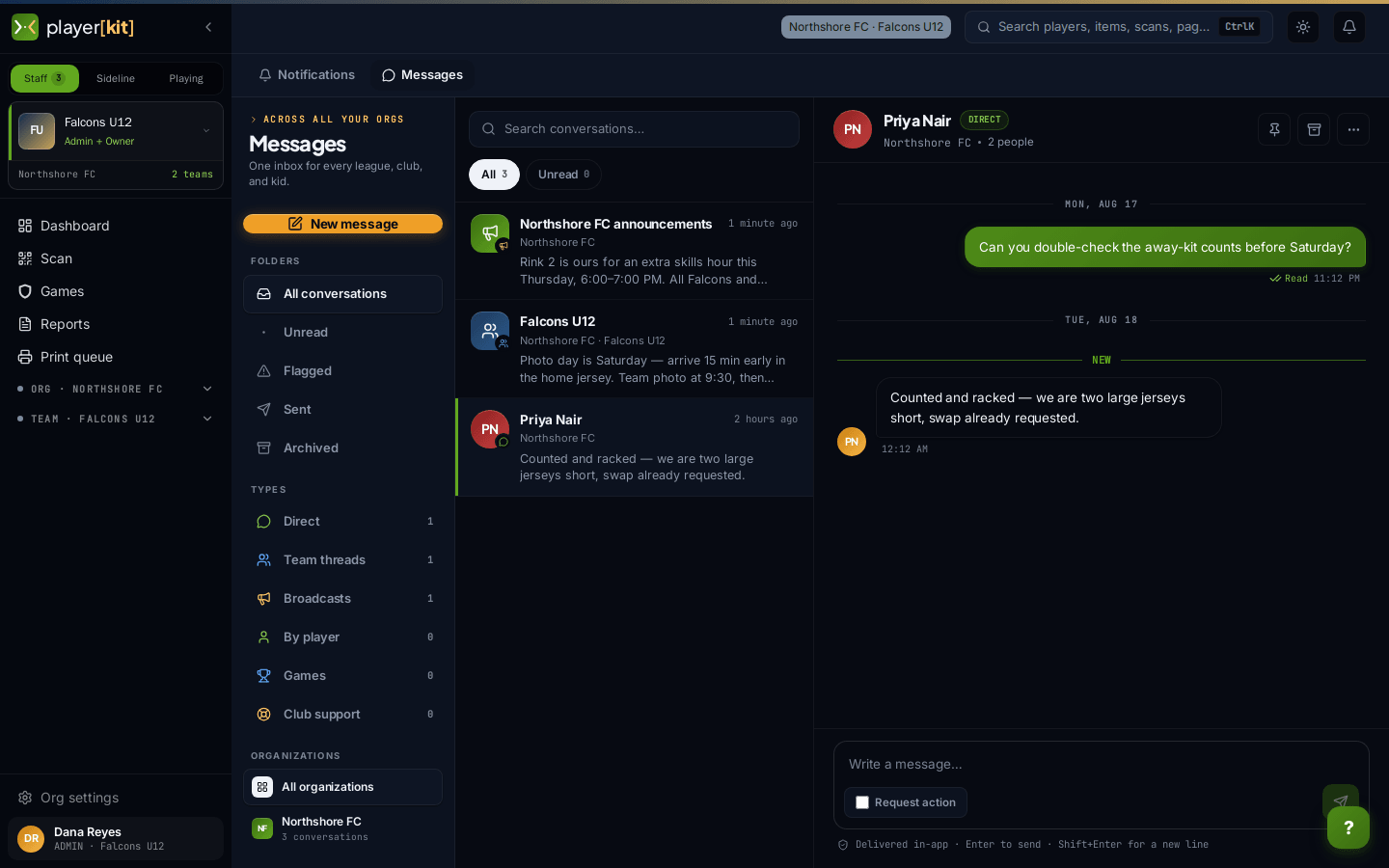
The team chat already has every family on the roster. Announcements show who has read them. Each person has one inbox for all their clubs, picks how they hear about each kind of notice, and sets quiet hours. Nobody gets five pings about one practice change.
- Team chat and announcements — families are in because they are on the roster
- A daily or weekly summary instead of a ping for every message
- Notification settings and quiet hours — reminders skip people who already answered
Handing out a player's gear went from thirty minutes and two people to one minute and one person. The other twenty-nine minutes now go to fitting a helmet properly.
Last season we lost several full kits and couldn't say which. This season there are several hundred items out, none overdue.
Finding out what jerseys we have went from hours in a bin to minutes on my phone — and I can answer the board at the field.
And the checks you can run yourself
Works offline
check: airplane mode, then scan a tag
Nothing to install
check: open it on the phone in your pocket
Export everything
check: the export button on any report
Your money, directly
check: the money arriving in your own Stripe account
Already have a spreadsheet? Bring it.
Download the equipment template, fill it in from what is in the room, and import it. Every row gets a tag.
Questions football clubs ask.
How often do football helmets need reconditioning?
The NOCSAE standard retires a helmet ten years after its manufacture date, and most programs recondition every one or two years. Your league sets your cycle. Record the manufacture date and the last reconditioning date on each helmet, and the due list is a report you run.
How do we keep home, away and practice jerseys straight?
Each jersey is one item with a number, a size and a set. Assign it by scan and the roster shows who has number 7 in each set, and what came back in November.
What about gear the players own, like cleats and mouthguards?
Track what the club owns and hands out. Player-owned gear stays off the inventory, so the missing list only ever shows something the club expects back.
Other sports
Also in playerkit
- Sports equipment and uniform trackingEvery item tagged, handed out and returned by scan.
- Online payments and equipment depositsFees and refundable deposits collected by card.
- Online team store for gear and jerseysSell what the club already tracks.
- Team scheduling, calendar and messagingGames, practices and messages in one week.
Count the cage once.
Tag it in August, scan it back in November, and you will know what to order for next season. Free to start.